
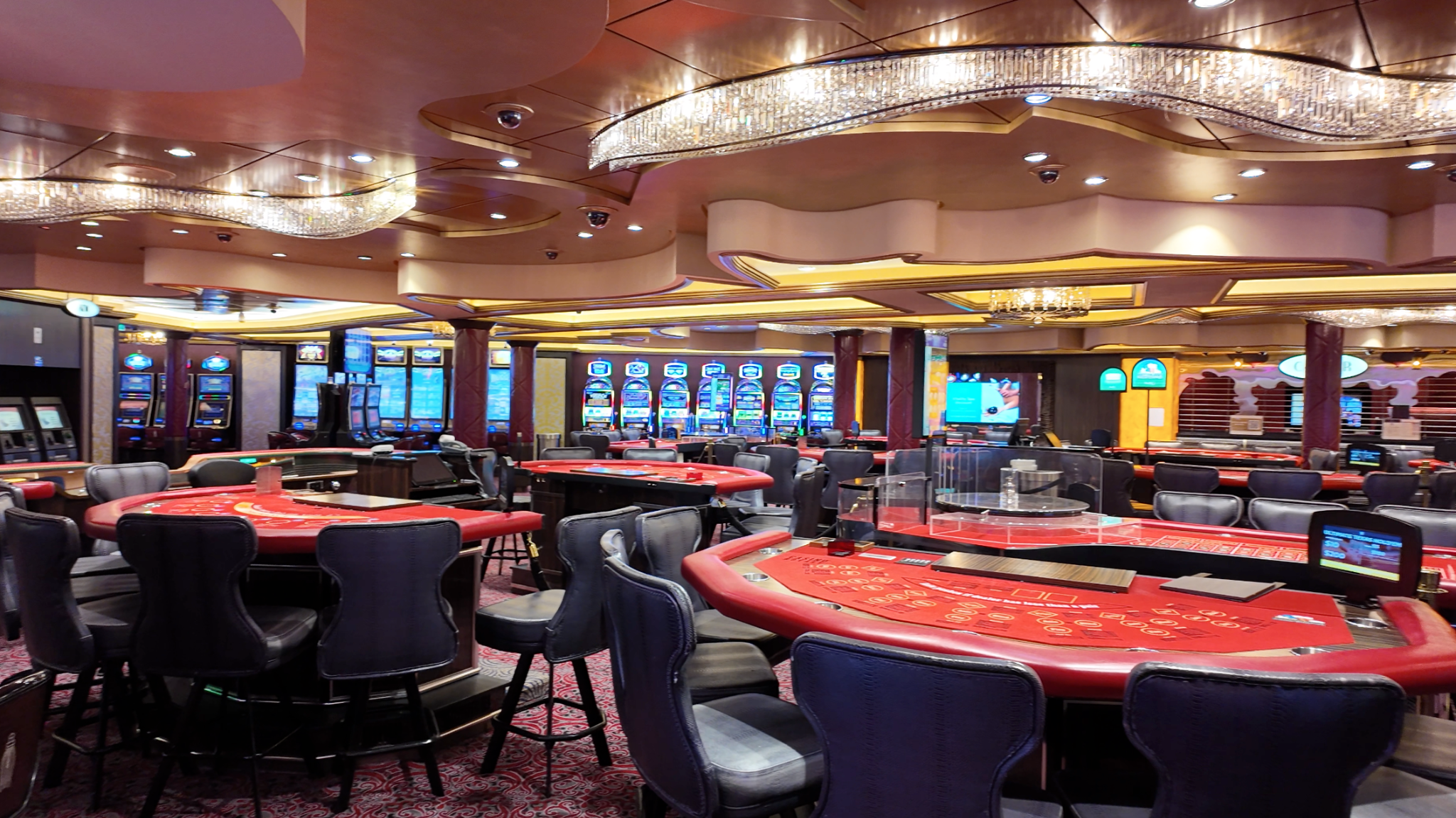
Imagine earning five complimentary cruises through a ship’s casino, booking them, and then being told the reservations were canceled. That is the dispute between Mark Timothy Grant and RCL Cruises Ltd, trading as Royal Caribbean Cruises, now returning to a Queensland tribunal.
What happened to the five cruises?
According to the published tribunal decision, Grant booked five cruises offered after he gambled above a qualifying amount in Royal Caribbean’s onboard casino on earlier sailings. He is seeking $22,040.83, which he says represents their value, plus his filing fee. The decision notes that part of the amount sought may include $540.81 later refunded by the cruise line.
Grant says a Royal Caribbean representative called him on January 15, 2025, three days before one scheduled departure, and said all five cruises had been canceled without giving a reason. He says he went to Brisbane’s port with his partner and son on January 17 to board Quantum of the Seas, but they were told they could not sail.
Royal Caribbean says it reviewed his onboard casino play, placed him on a no-sail list, and concluded that he had breached casino promotional terms and house rules. The decision records the cruise line’s position that the rules restrict certain styles of play, including card counting, and that a breach would forfeit the complimentary cruises. Those are Royal Caribbean’s allegations and legal arguments, not findings that Grant broke the rules.
Why was there an appeal?
In November 2025, the tribunal dismissed Grant’s application on the ground that it was not the kind of consumer dispute it could hear. He appealed that jurisdiction decision.
Senior Member Traves concluded that there was a contract for cruise services: Grant spent money in the onboard casino to qualify, selected sailings, paid any extra amount required, and received confirmation invoices. The appeal tribunal held that the claim could be heard as a consumer and trader dispute even though the reward cruises were described as “free.” It granted leave to appeal, set aside the dismissal, and returned the case to the tribunal for reconsideration.
What remains undecided?
The tribunal expressly said the parties had not been fully heard on whether Grant should succeed in his claim for damages. A further hearing must address the substance of the dispute: the relevant casino terms, Royal Caribbean’s reasons for canceling, and whether Grant is entitled to a remedy. There has been no order restoring the cruises or awarding him $22,040.83.
That distinction matters to anyone who sees a headline saying the passenger “won.” He won the right to have the case considered; the question of who was right about the cancellations remains open.
My take for casino players
A reward cruise may feel free when you receive the certificate, but earning it can involve real spending, planning, and sometimes extra charges when you book. I would want the rules about qualifying, forfeiting rewards, and refusing a sailing to be easy to find and clearly explained before anyone stakes money on those benefits.
If you earn casino offers, keep the original promotion, the applicable terms, your offer certificates, confirmation invoices, and any cancellation messages. This case is a reminder to save that paper trail while the details are fresh. We will learn much more if and when the tribunal rules on the underlying claim.
Your turn